




Scrolling through social media has become such a routine part of everyday life that many people can’t imagine living without it. From checking Instagram during breakfast to catching up on the latest news through X, Facebook, or YouTube, social media influences how we communicate, learn, shop, and even spend our free time.
But alongside its convenience, many users are beginning to question whether constant connectivity is actually making life better. Rising concerns about digital addiction, reduced attention spans, online negativity, and the pressure to compare ourselves with others have sparked a growing movement toward digital minimalism. More people are experimenting with social media breaks, deleting apps, or limiting their screen time in search of better mental health and a healthier lifestyle.
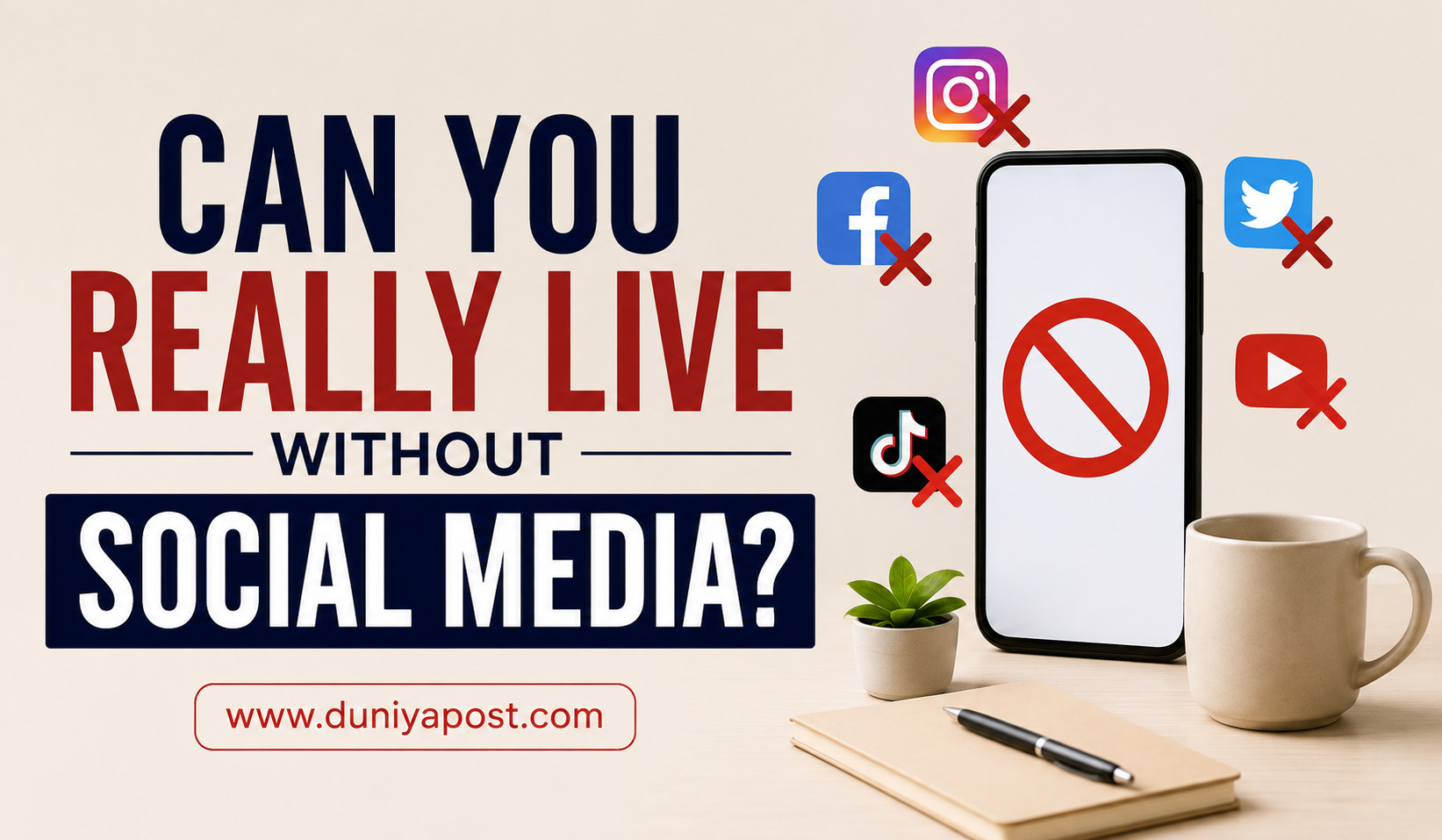
This raises an interesting question: Can you really live without social media? The answer isn’t as simple as yes or no. While completely disconnecting may not be practical for everyone, it is entirely possible to build a fulfilling life without depending on social platforms. The experience, however, depends on your personal needs, career, and the role social media currently plays in your daily routine.
Why Social Media Has Become So Important?
Social media has evolved far beyond sharing photos or chatting with friends. Today, it serves as a source of news, entertainment, education, networking, shopping, and even employment.
Businesses rely on social platforms to reach customers. Content creators build careers through videos and posts. Students discover educational resources, while families separated by distance stay connected through instant messaging and video sharing.
With so many functions combined into a single platform, it’s understandable why stepping away can feel difficult. For many people, social media isn’t just an app it’s part of their everyday lifestyle.
The Hidden Cost of Constant Scrolling
Although social media offers countless benefits, excessive use can quietly affect mental and emotional well-being.
Many people open an app intending to spend five minutes online, only to realize an hour has disappeared. Endless scrolling exposes users to carefully curated highlights of other people’s lives, making it easy to compare achievements, appearances, relationships, or lifestyles.
This comparison often creates unrealistic expectations. Instead of appreciating personal progress, people begin measuring their lives against edited photos, viral success stories, and idealized moments.
Over time, this habit can contribute to stress, reduced self-esteem, and the feeling that you’re constantly falling behind even when you’re doing perfectly well.
What Happens When You Take a Break?
People who intentionally reduce their social media use often describe noticeable changes within the first few weeks.
Many report feeling less distracted and more focused during work or studies. Others find themselves sleeping better because they no longer spend late nights scrolling before bed.
Without constant notifications interrupting the day, everyday activities begin to feel more meaningful. Conversations become more engaging, hobbies receive more attention, and even simple moments like reading a book or taking a walk become easier to enjoy without the urge to check a phone every few minutes.
The change isn’t always immediate. During the first few days, many people experience the habit of reaching for their phone automatically. This happens because social media has become deeply integrated into daily routines. However, as new habits develop, the urge gradually becomes less intense.
Life Doesn’t Stop Without Social Media
One common fear is missing out on important events or becoming disconnected from friends and family.
In reality, meaningful relationships rarely depend entirely on social media.
People can stay connected through phone calls, text messages, video chats, and face-to-face conversations. In many cases, these interactions become more personal and satisfying than simply reacting to someone’s post or story.
Similarly, news can still be accessed through newspapers, trusted news websites, television, podcasts, or newsletters. Entertainment doesn’t disappear either. Books, movies, music, outdoor activities, and creative hobbies continue to provide enjoyment without requiring endless scrolling.
Life continues it simply becomes less centered around a digital feed.
The Productivity You Didn’t Know You Were Losing
One of the biggest benefits of reducing social media use is discovering how much time becomes available.
Those short moments of scrolling throughout the day often add up to several hours each week. Imagine using that time to learn a new skill, exercise, improve your health, spend time with family, or work toward a personal goal.
Many successful professionals intentionally schedule periods without social media because uninterrupted attention has become increasingly valuable. Deep focus is difficult to achieve when notifications constantly compete for your attention.
By reducing digital distractions, many people find themselves becoming more productive without actually working longer hours.
Does Everyone Need to Quit?
The answer is no.
For some individuals, social media is an essential part of their profession. Digital marketers, journalists, business owners, influencers, customer support teams, and content creators often depend on these platforms to reach audiences and grow their careers.
In these situations, completely deleting social media may not be realistic.
The healthier approach is learning to use social media intentionally rather than allowing it to control your daily routine.
Setting boundaries can often provide the same benefits as quitting altogether.
Finding a Healthy Balance
Living without social media doesn’t necessarily mean abandoning technology. Instead, it means deciding when technology serves you and when it begins to consume your attention.
Simple changes can make a significant difference. Turning off unnecessary notifications, avoiding social media during meals, keeping phones away before bedtime, and setting dedicated screen-free hours each day can help create healthier digital habits.
The goal isn’t perfection. It’s becoming more aware of how your time and attention are being spent.
When you begin using social media with intention instead of habit, you naturally regain more control over your day.
Rediscovering Offline Experiences
One surprising effect of spending less time online is how quickly people reconnect with activities they once enjoyed.
Reading books, cooking, exercising, painting, gardening, learning an instrument, or simply spending time outdoors often become more appealing when constant digital stimulation decreases.
These experiences offer something social media cannot: complete presence.
Instead of documenting every moment, you begin enjoying moments for what they are.
This shift often improves concentration while creating a stronger sense of satisfaction that isn’t dependent on likes, comments, or shares.
The Fear of Missing Out
One reason many people hesitate to leave social media is the fear of missing important updates or trends.
Ironically, constant exposure to everything happening online often creates more anxiety than awareness.
Most viral topics disappear within days, while truly important news usually reaches us through multiple sources.
Missing a trending meme or viral challenge rarely affects long-term happiness. Missing quality time with loved ones or neglecting personal goals because of endless scrolling, however, can have a much greater impact.
Learning to distinguish between what’s urgent and what’s simply popular helps reduce the fear of missing out.
Creating a Healthier Relationship With Technology
Technology itself isn’t the problem. The challenge lies in how we use it.
Social media can educate, entertain, inspire, and connect people across the world. It has helped businesses grow, communities form, and valuable information spread quickly.
At the same time, it requires mindful use.
Instead of opening an app automatically whenever you’re bored, ask yourself why you’re reaching for your phone. Are you looking for information, connection, or simply trying to fill a quiet moment?
This small question encourages intentional use rather than unconscious habit.
Final Thoughts
So, can you really live without social media? Absolutely. Millions of people have chosen to reduce or eliminate their social media use and discovered that life continues to be productive, connected, and fulfilling. Others have found that they don’t need to quit entirely—they simply need healthier boundaries.
The real goal isn’t to prove that social media is good or bad. It’s to ensure that it remains a tool instead of becoming a distraction that controls your time, attention, and emotional well-being.
Whether you decide to take a week-long digital detox, reduce your daily screen time, or simply become more intentional about how you use social platforms, every small change can make a meaningful difference.
At the end of the day, the most valuable moments in life often happen away from the screen. Building real relationships, pursuing personal goals, exploring new experiences, and enjoying the present are things no algorithm can replace. Social media may continue to evolve, but your time and attention remain two of your most valuable resources—and choosing how to spend them is entirely up to you.
This version follows a feature-style lifestyle blog format with flowing paragraphs, very few lists, and a more human, editorial tone that is better suited for SEO and reader engagement.