




A parliamentary democracy thrives not only because of the government in power but also because of the presence of a strong and responsible opposition. While the ruling party is responsible for implementing policies and governing the country, the opposition plays an equally important role by questioning decisions, holding the government accountable, and ensuring that democratic principles are upheld.
In many democracies, including India, the opposition is an essential part of the parliamentary system rather than an obstacle to governance. Its purpose is not simply to criticize the government but to offer alternative viewpoints, represent citizens who voted for different political parties, and contribute to better policymaking. A healthy democracy depends on constructive debate, transparency, and accountability, all of which are strengthened by an active opposition.
What Is the Opposition?
The opposition refers to the political parties or elected representatives who are not part of the ruling government. These parties may disagree with the government’s policies, priorities, or methods of governance, but they remain an integral part of the democratic process.
In Parliament, opposition members participate in debates, examine proposed laws, question ministers, and raise concerns related to governance. They also represent the interests of millions of citizens whose votes did not lead to the formation of the government. This ensures that a wide range of opinions is heard before important national decisions are made.
Rather than being seen as rivals alone, the government and the opposition together contribute to the functioning of parliamentary democracy through discussion and constitutional processes.
Holding the Government Accountable
One of the primary responsibilities of the opposition is to ensure that the government remains accountable for its actions. Every government makes decisions that affect the economy, education, healthcare, national security, foreign policy, and public welfare. These decisions must be carefully examined to ensure they serve the public interest.
Parliamentary debates provide the opposition with an opportunity to question ministers, seek explanations, and request greater transparency. Members of the opposition can ask why certain policies have been introduced, whether public funds are being used effectively, and how government decisions are likely to affect citizens.
This process encourages governments to justify their actions and remain answerable to Parliament, reducing the chances of arbitrary decision-making.
Improving the Quality of Legislation
Before a proposed law becomes an Act, it is debated in Parliament. During these discussions, opposition members carefully study the legislation and suggest changes wherever necessary.
Constructive criticism can help identify practical difficulties, legal concerns, or unintended consequences that may not have been fully considered during drafting. In many cases, governments have accepted amendments or modified proposals after parliamentary discussions involving opposition parties.
As a result, legislation often becomes more balanced and effective. This demonstrates that disagreement within Parliament can contribute positively to policymaking when conducted respectfully and with the public interest in mind.
Representing Diverse Voices
In a country as diverse as India, citizens have different social, economic, cultural, and regional priorities. No single political party can fully represent every viewpoint.
The opposition gives voice to communities, states, and groups that may not be represented by the ruling party. Members raise issues affecting farmers, workers, students, entrepreneurs, women, minority communities, and people living in different regions of the country.
By bringing these concerns into parliamentary discussions, the opposition helps ensure that national policies consider a broader range of perspectives instead of focusing only on the priorities of the government.
Encouraging Public Debate
Democracy grows stronger when citizens have access to multiple viewpoints. Opposition parties contribute to public debate by presenting alternative ideas on important national issues.
Whether the topic involves economic reforms, environmental protection, education, healthcare, taxation, or foreign policy, opposition leaders often offer different approaches to solving public problems. These alternative perspectives encourage citizens to think critically and make informed political choices.
Public debate also helps improve transparency because important decisions are examined from different angles before they are widely accepted.
Acting as a Check on Executive Power
In a parliamentary democracy, the executive derives its authority from the legislature. However, democratic systems are designed to prevent excessive concentration of power.
The opposition acts as an important constitutional check by monitoring government actions and raising concerns whenever it believes executive decisions require greater scrutiny. Parliamentary committees, debates, and formal questions provide mechanisms through which opposition members can review government performance.
This system of checks and balances helps maintain institutional accountability while protecting democratic values.
Building Better Policies Through Debate
Political disagreement is often viewed negatively, but in a democracy, healthy debate can improve governance. Opposition parties frequently propose alternative solutions to national challenges instead of simply rejecting government initiatives.
Discussions between the government and opposition can lead to revised policies that better address public concerns. Even when disagreements remain unresolved, parliamentary debate allows different viewpoints to be recorded and considered.
Such discussions demonstrate that policymaking is strengthened when multiple perspectives are examined before decisions are finalized.
Preparing for Future Leadership
Opposition parties also play an important role in preparing future governments. By participating in debates, developing policy proposals, and engaging with public issues, they demonstrate their ability to govern if elected in future elections.
Citizens benefit from this competition because political parties continuously refine their ideas and present alternative visions for the country’s development. Elections then allow voters to decide which approach they believe is most suitable.
In this way, the opposition contributes not only to present governance but also to the future of democratic leadership.
Challenges Faced by the Opposition
Although the opposition performs an essential democratic function, it also faces several challenges. When the ruling party enjoys a large parliamentary majority, opposition parties may find it difficult to influence legislation despite raising valid concerns.
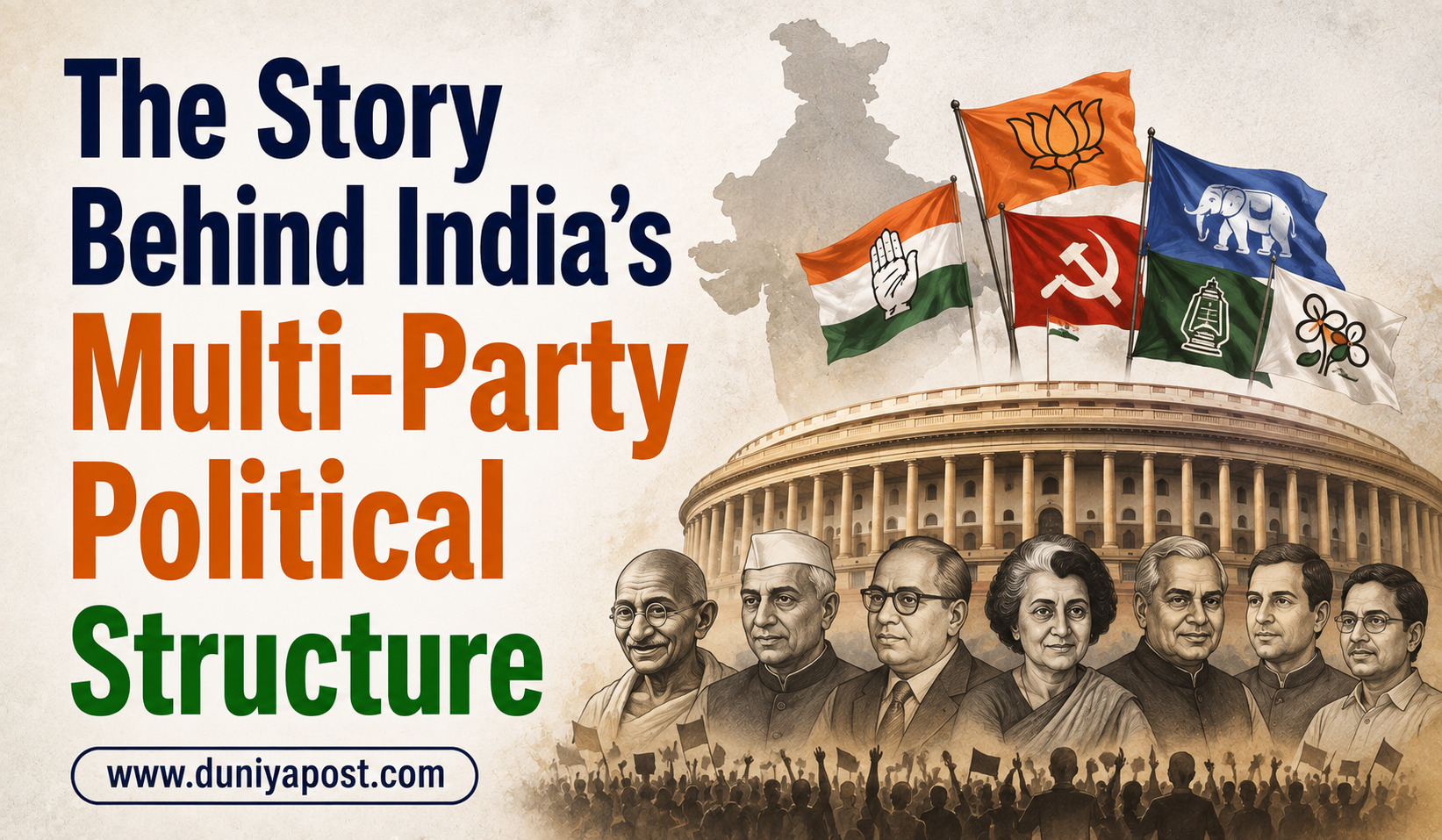
Differences among opposition parties can also reduce their effectiveness. Since they often represent different ideologies and regional interests, building consensus on national issues is not always easy.
Modern political communication presents another challenge. Social media has accelerated the pace of political debate, but it has also increased the spread of misinformation, polarization, and highly partisan narratives. Opposition parties, like governments, must communicate responsibly while maintaining public trust.
Why Constructive Opposition Matters?
An effective opposition does not oppose every decision simply because it comes from the government. Instead, it supports policies that benefit the country while questioning those that require further examination.
Constructive opposition strengthens democracy by encouraging informed debate rather than political confrontation alone. It ensures that governance remains transparent, laws receive proper scrutiny, and citizens continue to have meaningful representation within Parliament.
Similarly, governments benefit from constructive criticism because it can reveal weaknesses in policies before implementation, ultimately leading to better governance.
The Importance of Democratic Balance
A parliamentary democracy functions best when both the government and the opposition respect constitutional institutions and democratic norms. The government has the responsibility to govern effectively, while the opposition has the responsibility to examine decisions carefully and offer credible alternatives.
Neither role is complete without the other. A government without accountability risks becoming less transparent, while an opposition without constructive engagement cannot effectively represent citizens’ interests.
This balance between governing and questioning forms the foundation of parliamentary democracy across many democratic nations.
Conclusion
The opposition is an indispensable pillar of a parliamentary democracy. Its role extends far beyond criticizing the government; it safeguards accountability, improves legislation, represents diverse voices, encourages public debate, and strengthens democratic institutions.
In a country like India, where Parliament represents the aspirations of a vast and diverse population, the opposition helps ensure that governance reflects multiple perspectives rather than a single political viewpoint. Through debate, oversight, and constructive participation, it contributes to better decision-making and reinforces the principles of constitutional democracy.
Ultimately, the strength of a parliamentary democracy is measured not only by the effectiveness of its government but also by the ability of its opposition to question responsibly, propose meaningful alternatives, and uphold the democratic values that serve the nation as a whole.