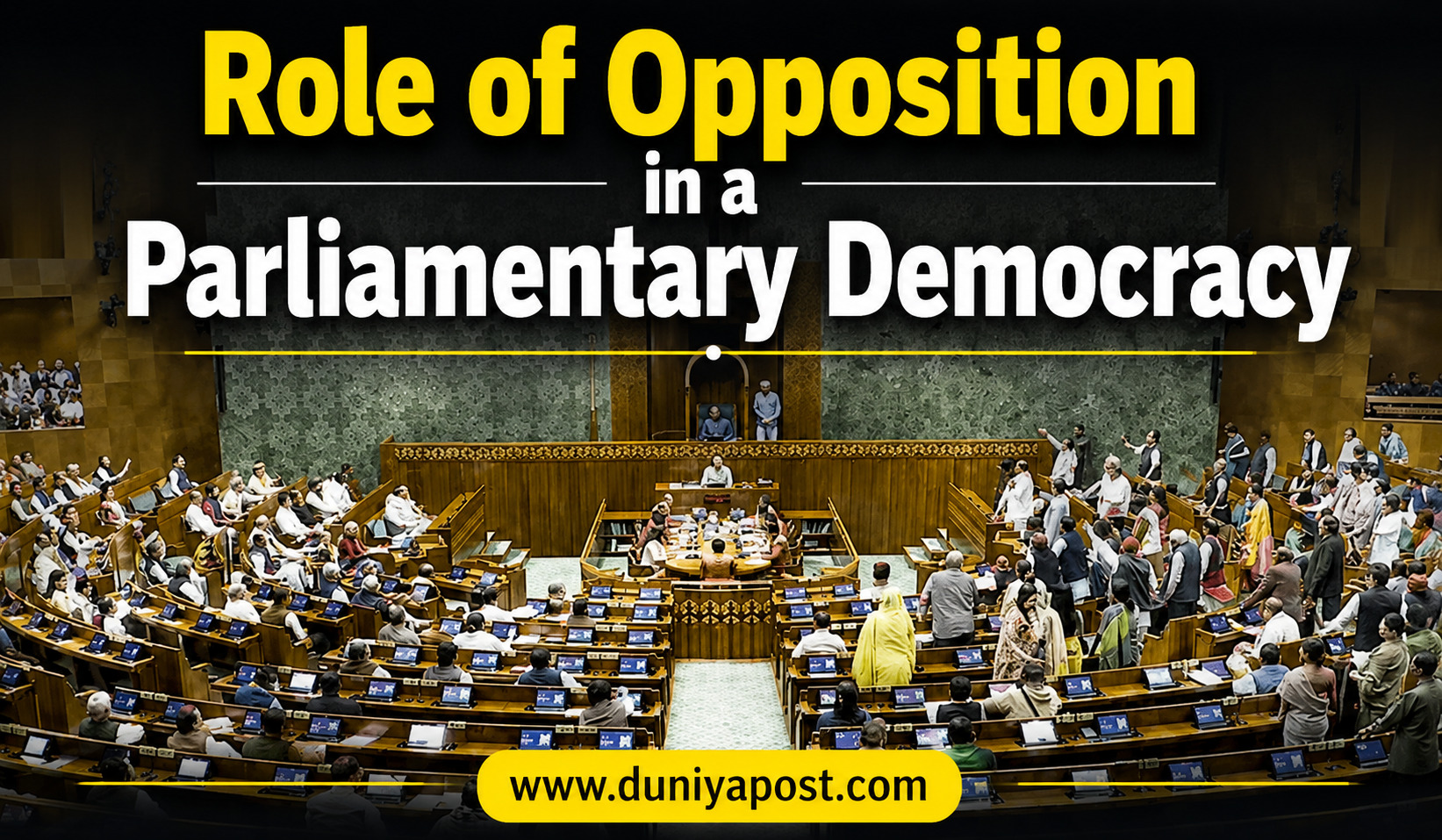



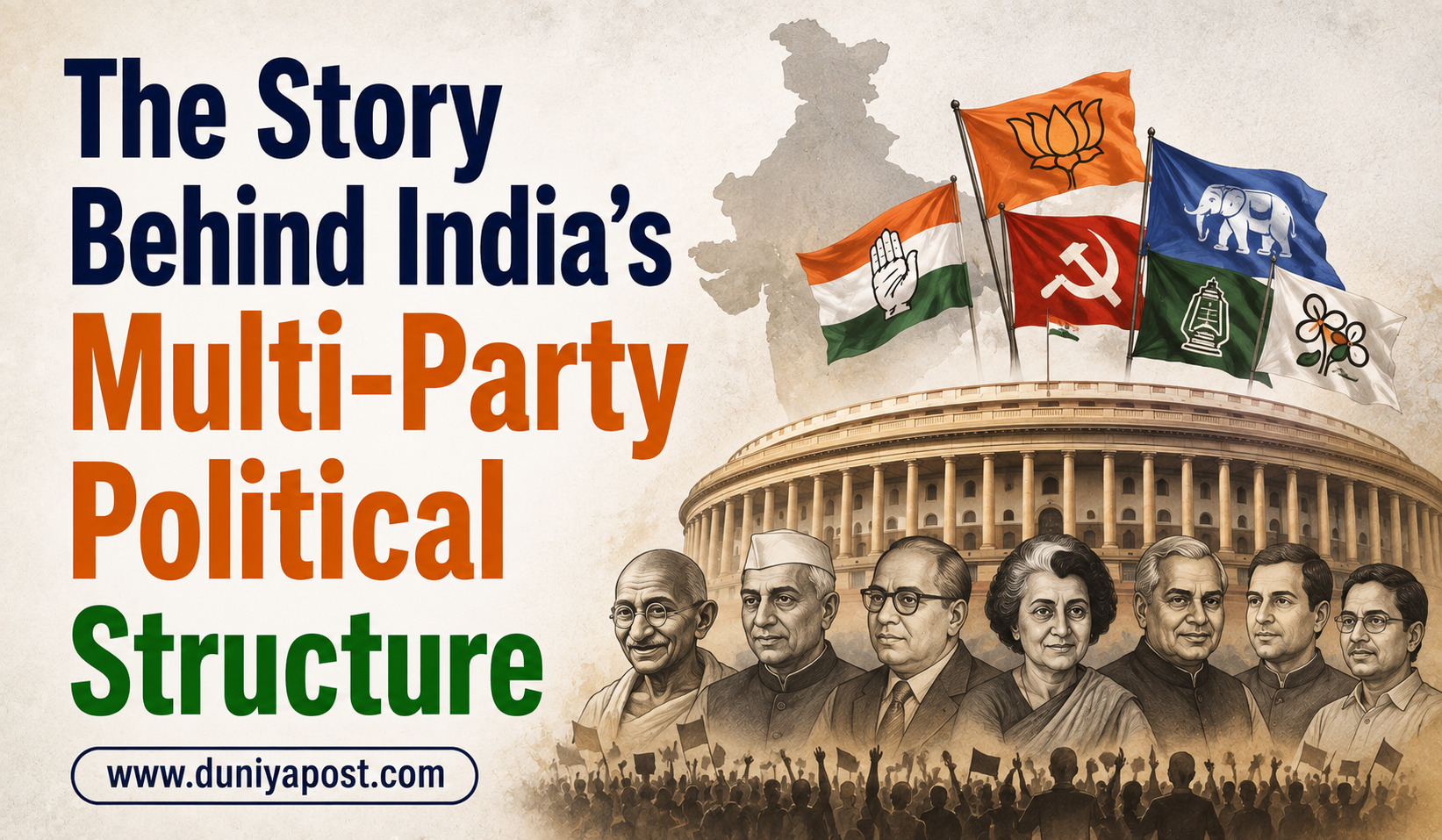
India is often recognized as the world’s largest democracy, but one of the defining features of its political system is the presence of multiple political parties. Unlike countries where politics is largely dominated by two major parties, India’s political landscape is made up of national parties, regional parties, and smaller state-based organizations that represent diverse communities and interests.
This multi-party structure did not emerge overnight. It evolved over decades as India’s social diversity, regional identities, economic aspirations, and democratic values shaped the country’s political journey. Today, political parties from every corner of the nation play an important role in influencing policies, forming governments, and representing the voices of millions of citizens.
Understanding how this system developed helps explain why Indian politics is both dynamic and complex. It also highlights how democracy in India continues to adapt to the changing needs of its people.
The Beginning of India’s Democratic Journey
When India became independent in 1947, the country faced the enormous task of building democratic institutions from scratch. The Constitution, which came into effect in 1950, established India as a sovereign democratic republic where every adult citizen would have the right to vote regardless of religion, caste, gender, language, or economic status.
During the early years after independence, one political party held a dominant position at the national level. This period provided political stability as the newly independent nation focused on rebuilding its economy, strengthening institutions, and maintaining national unity.
However, democracy naturally encourages competition. As different regions and communities developed their own political priorities, new parties began to emerge, gradually transforming India’s political landscape.
Why India Chose a Multi-Party System
India’s diversity is one of the biggest reasons behind its multi-party political structure. With hundreds of languages, numerous religions, varied cultures, and significant regional differences, it is difficult for a single political party to represent every section of society equally.
Different states often have different priorities. Farmers in Punjab may face challenges that are very different from those of fishermen in Kerala or entrepreneurs in Karnataka. Similarly, issues related to tribal communities, urban development, border security, or industrial growth vary across the country.
The multi-party system allows these diverse concerns to find political representation. Regional parties can focus on local issues while national parties address broader matters such as foreign policy, defense, economic planning, and national development.
This balance between local representation and national governance has become one of the defining characteristics of Indian democracy.
The Rise of Regional Political Parties
Over the past several decades, regional political parties have become increasingly influential. Many of these parties were formed to protect local languages, preserve cultural identities, promote regional development, or address state-specific concerns.
As India’s federal structure matured, voters began supporting leaders who understood the unique needs of their states. This led to the growth of strong regional parties that gradually became major players in national politics.
In many elections, these parties have secured significant representation in Parliament, giving them an important role in shaping national policies. Their influence demonstrates that democracy in India is not driven only by national issues but also by local aspirations.
Coalition Governments Changed Indian Politics
One of the most important developments in India’s political history has been the rise of coalition governments. As more political parties gained public support, it became increasingly difficult for a single party to secure an outright majority in Parliament during several election cycles.
Coalition governments brought together multiple parties that agreed to work toward common goals despite ideological differences. This required continuous negotiation, dialogue, and compromise among political leaders.
Supporters believe coalition politics encourages wider representation because different regions and communities participate in decision-making. Critics argue that managing multiple political partners can sometimes slow policy implementation or create political instability.
Despite these challenges, coalition governments have played an important role in India’s democratic evolution by encouraging consensus-based governance.
National Parties Continue to Shape the Country
While regional parties have grown stronger, national political parties continue to play a central role in Indian democracy. They contest elections across multiple states, develop nationwide policy agendas, and address issues affecting the country as a whole.
National parties often focus on subjects such as economic growth, national security, infrastructure, healthcare, education, foreign relations, and technological development. Their broad reach allows them to connect with voters from different parts of the country while presenting a unified national vision.
The interaction between national and regional parties creates a political environment where both national priorities and local concerns receive attention.
Elections Reflect India’s Democratic Diversity
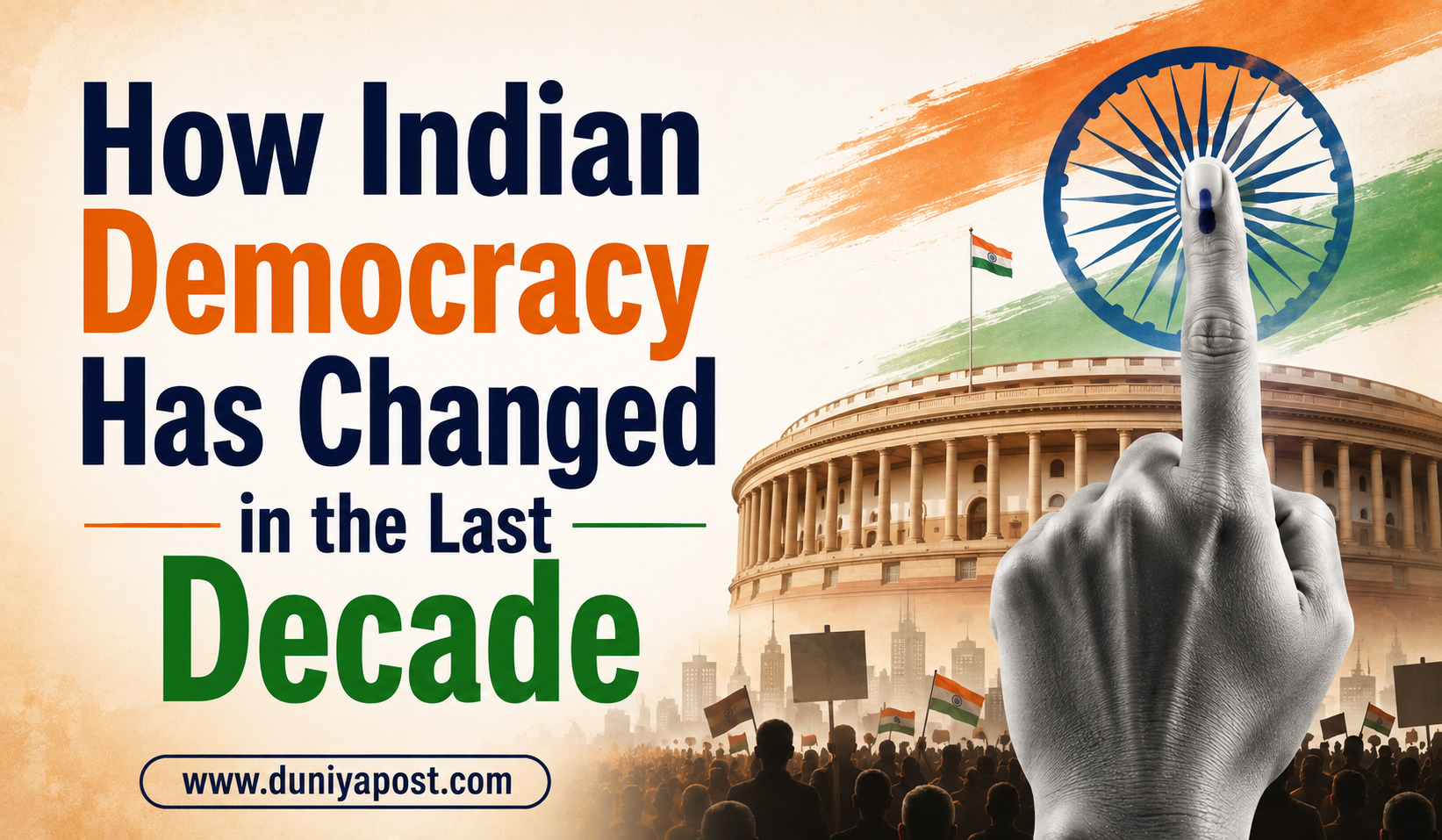
General elections in India are among the largest democratic exercises in the world. Millions of citizens vote to elect representatives at the national and state levels, making elections a celebration of democratic participation.
Unlike political systems dominated by only two parties, Indian elections often feature candidates representing several political organizations. This gives voters multiple choices based on ideology, leadership, development priorities, and regional interests.
Election campaigns have also changed significantly over the years. Digital platforms, social media, televised debates, and online communication now complement traditional rallies and public meetings, allowing political parties to engage with voters in new ways.
The Advantages of a Multi-Party Democracy
India’s multi-party political structure offers several important advantages. Most importantly, it ensures that diverse voices are represented within the democratic process. Different communities, regions, and social groups can elect leaders who understand their specific concerns and advocate for them in legislative bodies.
Competition among political parties also strengthens democratic accountability. Governments know that voters have several alternatives during elections, encouraging political leaders to focus on governance, development, and public welfare.
The system further encourages public debate. Different political viewpoints contribute to discussions on important national issues, allowing citizens to evaluate multiple perspectives before forming opinions.
Although disagreements are common, they are also a natural feature of a vibrant democracy where competing ideas are openly discussed.
Challenges of the Multi-Party System
Like any democratic model, India’s multi-party structure also faces challenges.
Political fragmentation can sometimes make it difficult to form stable governments, particularly when election results produce closely divided legislatures. Coalition negotiations may take time, and disagreements among alliance partners can occasionally affect policy implementation.
Another challenge is the increasing complexity of electoral competition. With numerous political parties contesting elections, voters often need to evaluate a large number of candidates, manifestos, and campaign promises before making informed decisions.
Political polarization, misinformation on digital platforms, and rising campaign costs have also become important concerns in recent years. These issues require continuous attention from institutions, political parties, the media, and citizens alike.
How the Multi-Party System Has Evolved in the Digital Age
Technology has transformed political participation across India. Citizens today receive political updates instantly through smartphones, social media platforms, and digital news services. Political parties use technology to communicate directly with voters, explain policies, and organize election campaigns.
Digital platforms have increased political awareness, especially among young voters, who now actively discuss governance, employment, education, climate change, entrepreneurship, and public policy.
At the same time, the digital age has created new responsibilities. Ensuring accurate information, encouraging respectful public discourse, and protecting democratic institutions remain essential for maintaining public trust.
The Future of India’s Political Structure
India’s political system will continue evolving as society changes. Urbanization, technological innovation, demographic shifts, economic development, and rising educational levels are already influencing voter expectations.
Young citizens are increasingly focused on governance, transparency, employment opportunities, environmental sustainability, healthcare, and quality public services. Political parties are adapting by expanding their policy agendas to address these emerging priorities.
Regional parties are also likely to remain influential because India’s diversity continues to shape political preferences across different states. National parties, meanwhile, will continue balancing local aspirations with nationwide development goals.
The strength of India’s democracy will depend not only on political parties but also on informed citizens, independent institutions, free elections, and constructive public participation.
Conclusion
India’s multi-party political structure tells the story of a democracy that has grown alongside its people. What began as a system dominated by a single political force gradually transformed into one where national and regional parties together represent the country’s remarkable diversity.
This evolution reflects India’s commitment to giving citizens meaningful political choices while accommodating a wide range of social, cultural, and regional identities. Although the system presents challenges such as coalition management and political competition, it also ensures that democracy remains inclusive and representative.
As India moves forward, its multi-party system will continue adapting to new realities, shaped by technological progress, changing voter expectations, and evolving national priorities. More than just a political arrangement, it remains a symbol of India’s democratic spirit one that values debate, participation, and the voices of millions of citizens working together to shape the nation’s future.