




Every year someone declares that it’s “too late” to start an online business, and every year that turns out to be wrong. What’s true is that the ideas working today aren’t identical to what worked five years ago. AI automation, niche creator platforms, and a growing appetite for personalized digital experiences have reshaped which business models are actually worth your time in 2026.
If you’re trying to figure out what to build next, here’s a grounded look at the online business ideas gaining real traction this year, and why they’re working right now.
AI-Powered Services and Tools
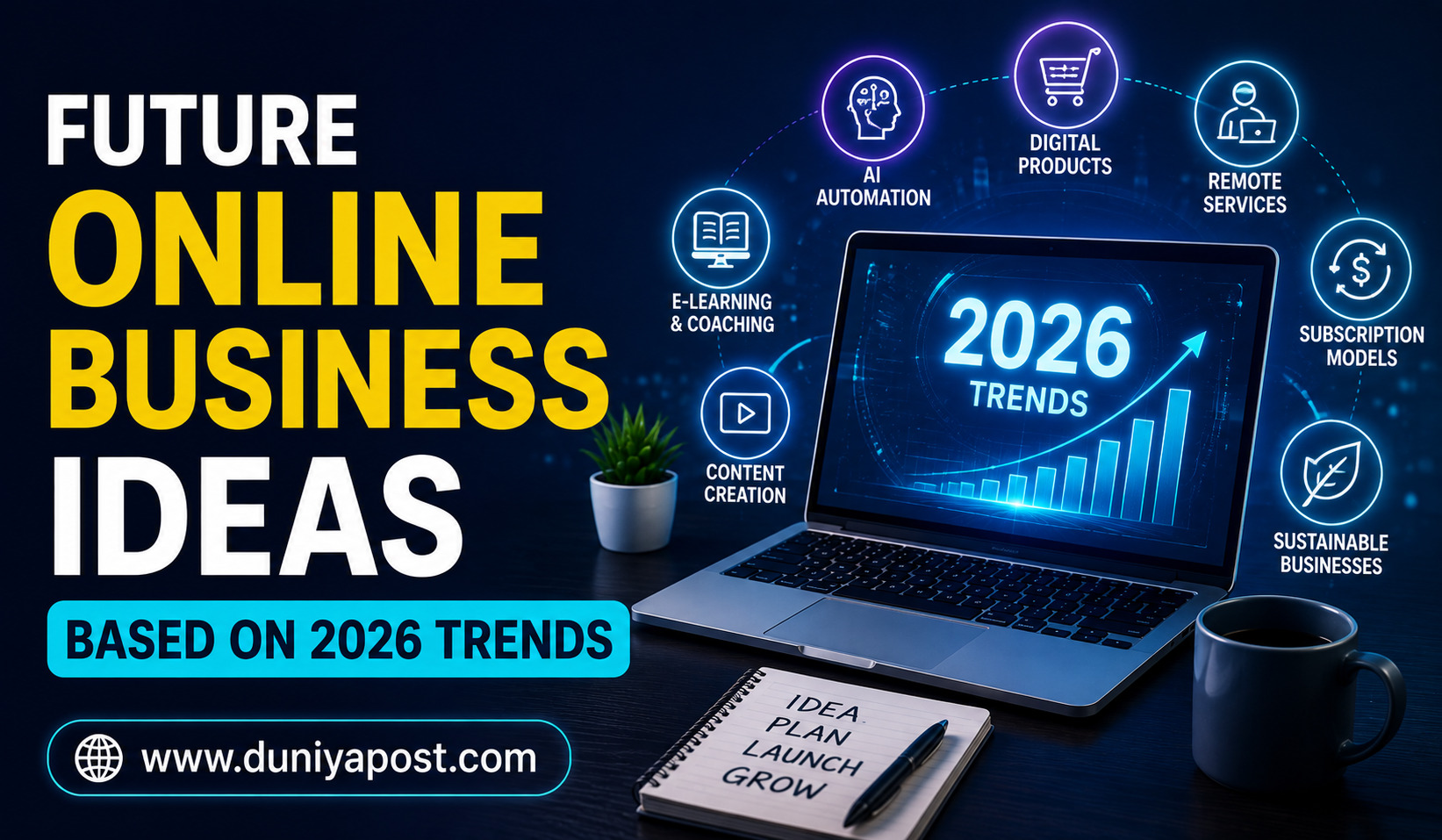
AI isn’t just a buzzword anymore it’s becoming the backbone of some genuinely profitable small business models. Vertical, niche-specific AI tools built for a single industry, like AI scheduling for salons or AI intake forms for law firms, are seeing strong demand because they solve a specific problem better than a generic tool ever could. On the services side, AI-powered video creation has become one of the fastest-growing opportunities, since businesses need far more video content than they can realistically produce by hand, and creators who can combine AI tools with genuine editing skill are filling that gap.
The businesses winning here aren’t the ones just reselling access to AI. They’re the ones packaging AI into something specific and easy to use for people who don’t have the time or skill to build it themselves.
Niche E-Commerce Over General Stores
General online stores selling a bit of everything are struggling more than ever, while tightly focused, niche e-commerce brands are thriving. Instead of “home goods,” think “ceramic planters for small apartments.” Instead of “fitness gear,” think “recovery tools for runners.” Narrowing your focus this much sounds counterintuitive, but it makes marketing dramatically easier, builds a more loyal customer base, and lets you compete on identity rather than price.
Print-on-demand and dropshipping remain accessible entry points here, especially now that they’re increasingly paired with trending product categories like AI gadgets, smart home devices, and health tech, which lets new sellers ride existing demand rather than create it from scratch.
Digital Products and Online Courses
Digital products continue to be one of the most scalable online business ideas, largely because you build once and sell repeatedly with almost no additional cost. Ebooks, templates, and notion-style productivity systems remain popular, but the real growth is in packaging expertise into structured learning: video courses, live cohorts, and short workshops on specific skills like AI tools, marketing, or design.
A few formats are performing especially well for people starting out this year:
- Narrow, problem-specific mini-courses instead of broad “learn everything” programs
- Templates and workflows built for a specific software or niche
- Cohort-based live courses that combine content with community
The Creator Economy Beyond Just Content
Content creation has matured into something closer to a full media business model. Instead of relying purely on ad revenue or brand deals, creators are increasingly building media brands around newsletters, podcasts, and community platforms, monetizing through a mix of sponsorships, digital products, and paid memberships. This diversification matters because it makes income less dependent on any single platform’s algorithm, which has become a real risk as social platforms shift their rules constantly.
Affiliate marketing also remains a strong complement to this model, especially when paired with consistent SEO content, since that combination tends to build recurring, compounding traffic rather than one-off spikes.
Specialized Freelancing and Micro-Agencies
Freelancing hasn’t gone away it’s evolving. Businesses increasingly prefer working with small, specialized teams over large agencies, which means solo freelancers now have a real path to growing into a small studio without needing to become a traditional agency. A content strategist, for example, can expand into offering writing, design, and distribution together, essentially building a boutique agency around one core skill.
This works particularly well paired with AI tools, since a small team using AI to speed up production can now offer output that used to require a much bigger staff.
Subscription and Membership-Based Models
Recurring revenue remains one of the most attractive things you can build into any online business, and subscription or membership models are showing up across almost every category above subscription boxes, paid newsletters, private communities, and tool access. The appeal is obvious: predictable monthly income instead of chasing one-time sales, which makes it far easier to plan and reinvest in growth.
What actually separates success from failure?
Across all of these models, the businesses that succeed share a few things in common: a clearly defined audience instead of a broad one, a willingness to niche down further than feels comfortable, and consistent execution over months rather than a single big launch. Most online businesses that fail don’t fail because the idea was bad they fail because of unrealistic expectations about how fast results show up, or because the founder spread themselves across too many ideas instead of committing to one long enough to see it work.
You don’t need to pick the “perfect” idea from this list. Pick the one that overlaps with a skill or interest you already have, start small, and treat the first few months as a test rather than a final commitment. The barriers to starting have never been lower the difference in 2026 is that competition rewards specificity and consistency far more than it used to.